Anger Before Your Period: PMS Pattern or Something Else?
Learn why anger before your period can happen, how to track PMS anger patterns, and when mood changes deserve extra support.
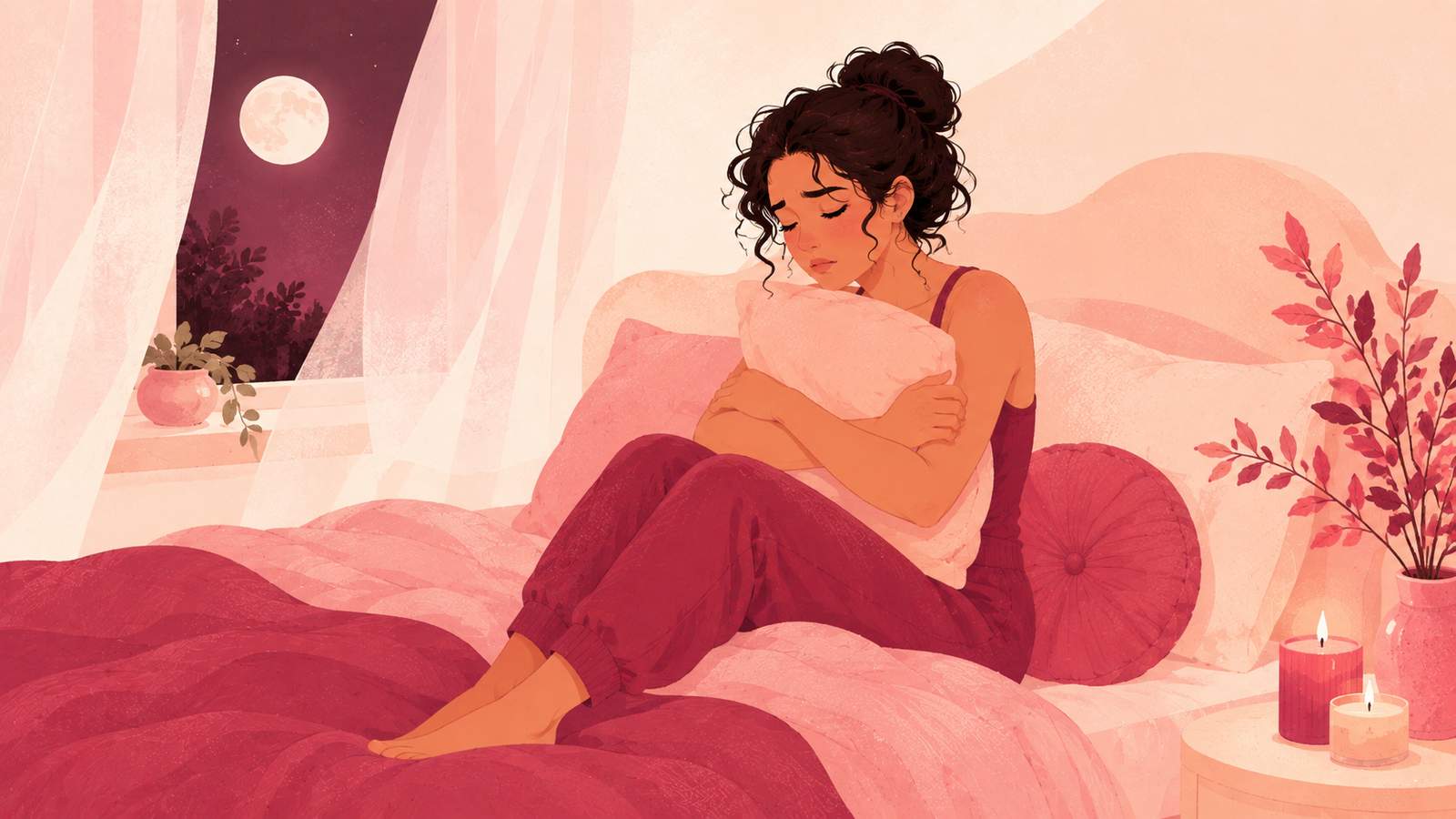
Anger before period days can feel confusing, embarrassing, and unfair. One week you are handling life. Then a small comment, a messy kitchen, a slow reply, or a work problem hits like a match near dry paper. You may snap faster, cry after snapping, or feel a hot pressure in your body that does not match the moment.
That does not mean you are broken. It also does not mean every burst of anger is just hormones. The useful question is not, Why am I like this? The better question is, Does this happen in a pattern, how intense does it get, and what else is happening around it?
Many people notice irritability before period bleeding starts, especially in the second half of the cycle. Some feel mild friction. Some feel sharp PMS anger that fades once bleeding begins. Others have mood swings before period days that disrupt relationships, work, parenting, sleep, or safety. Those situations deserve more support than a shrug.
A cycle tracking app can help you spot the difference between a rough week and a repeatable pattern. Flow & Glow is a warm iPhone cycle wellness companion for symptoms, notes, phase education, workouts, yoga, fertility window insights, and daily wellness guidance. If you want one place to log mood, symptoms, timing, and context, it can help you keep those details together.
This guide will help you understand why anger can show up before your period, what to track, where PMS and PMDD boundaries sit, how stress and relationships can overlap with your cycle, and when symptoms deserve medical, mental health, or safety support.
Why anger can spike before your period
The days before a period are often part of the luteal phase, the stretch after ovulation and before bleeding. During this time, estrogen and progesterone rise and fall. These shifts can affect brain chemicals, sleep, appetite, body temperature, pain sensitivity, and emotional regulation.
That does not mean hormones create anger from nothing. More often, they lower your margin. The thing that bothered you last week may feel impossible this week. A delayed payment, a partner leaving dishes again, a toddler meltdown, a deadline, or a social obligation may hit harder because your nervous system has less room.
This is why luteal phase anger can feel both real and strangely exaggerated. The issue may be genuine. Your reaction may still feel bigger than you expected. Both can be true.
A helpful way to think about it: the premenstrual window may turn up the volume on existing stressors. It can make irritation louder, patience shorter, rejection sharper, and sensory overload harder to ignore. If you already have poor sleep, high workload, pain, conflict, or too little recovery, the volume can climb quickly.
For a wider look at emotional and libido changes during PMS, see PMS mood changes.
PMS anger versus ordinary frustration
Everyone gets angry sometimes. Anger can be a healthy signal that a boundary is being crossed, a need is being ignored, or your body is overloaded. The question is whether anger before your period has a pattern that repeats across cycles.
PMS anger tends to have a timing clue. It usually appears after ovulation, builds in the days before bleeding, and eases once your period starts or shortly after. It may arrive with other premenstrual symptoms such as breast tenderness, bloating, cramps, headache, cravings, acne, tiredness, sadness, tearfulness, anxiety, or trouble sleeping.
Ordinary frustration is usually more tied to the situation than the cycle. It may happen any time of the month. It may lift when the problem is solved, when you rest, or when you have a direct conversation.
The hard part is that both can overlap. You might have a real relationship issue and still notice that your reaction gets sharper in the same premenstrual days every month. Tracking helps because memory is unreliable when emotions are high. A simple log can show whether the anger is random, situational, cyclic, or a mix.
What PMS anger can feel like
PMS anger does not look the same for everyone. Some people describe it as a short fuse. Others describe a simmering resentment that makes every request feel like one more demand. You might notice:
- Snapping at people you care about
- Feeling rage over small inconveniences
- Getting unusually impatient with noise, mess, traffic, messages, or interruptions
- Feeling criticized even when someone is neutral
- Wanting to withdraw so you do not explode
- Crying after an argument because the intensity surprised you
- Feeling guilty, ashamed, or confused once the mood passes
- Feeling like your body is tense before your mind has caught up
The word anger can also hide other feelings. Sometimes premenstrual anger is fear wearing armor. Sometimes it is grief, exhaustion, sensory overload, hunger, pain, or feeling unsupported. Sometimes it is your body saying, I cannot carry this much without a break.
Blunt truth: if your premenstrual week keeps revealing the same unsolved problem, do not dismiss the problem just because hormones are involved. Cycle timing can explain why a reaction is louder. It does not automatically make the concern invalid.
When anger before your period may point beyond PMS
It is important not to jump straight from anger to a label. Anger alone cannot diagnose PMS, PMDD, anxiety, depression, bipolar disorder, trauma, or relationship problems. Diagnosis depends on symptom pattern, severity, impairment, timing, and clinical assessment.
Still, some signs suggest you should seek support rather than keep trying to manage alone.
Consider speaking with a clinician or qualified mental health professional if anger before your period is intense, frightening, or disruptive. Examples include repeated explosive arguments, trouble working, difficulty parenting safely, relationship damage, panic, deep depression, feeling out of control, or needing to isolate completely because you fear what you might say or do.
Seek urgent support now if you have thoughts of self-harm, thoughts of suicide, fear you may harm someone else, feel unsafe at home, are being threatened or controlled, or your symptoms feel unmanageable. If there is immediate danger, use emergency services in your country or go to the nearest emergency department.
Severe premenstrual mood symptoms can be treatable, but they need proper support. You do not have to prove you are suffering enough. If your life is being disrupted, that is enough reason to ask for help.
PMDD anger: where the boundary starts
PMDD anger is often discussed online, but it is easy to misunderstand. PMDD is not just bad PMS. It involves severe mood symptoms in the premenstrual phase that improve after menstruation begins and cause significant distress or impairment.
Anger can be part of PMDD for some people. So can marked irritability, sadness, hopelessness, anxiety, panic, mood swings, feeling overwhelmed, loss of interest, sleep changes, appetite changes, concentration problems, and physical symptoms. The key is not one bad day. The key is a repeated, severe pattern that affects functioning.
If you suspect PMDD, tracking across at least two cycles can be helpful for a clinician. Write down daily symptoms, not just the worst moments. Include when symptoms start, when bleeding starts, when symptoms improve, how intense they are, and how they affect work, school, relationships, parenting, or safety.
Try not to self-diagnose from social media checklists. They can validate your experience, but they cannot sort out overlapping issues. Depression, anxiety, trauma responses, medication effects, thyroid problems, perimenopause, substance use, sleep deprivation, and unsafe relationships can all complicate the picture.
The most useful stance is honest and specific: This anger happens before my period, it repeats, and it affects my life. That gives a clinician something concrete to work with.
Stress, relationships, and the premenstrual amplifier
One reason anger before period days gets dismissed is that people frame it as irrational. That can be unfair. Premenstrual symptoms often amplify real-life strain.
If your partner does not share household labor, your premenstrual week may make that resentment impossible to bury. If your job is draining, the luteal phase may make burnout visible. If you are under financial pressure, caring for children, sleeping badly, or managing chronic pain, your body may have less capacity to stay calm.
This does not mean every conflict should happen in the heat of PMS anger. It means the anger may contain data. The trick is to separate the signal from the surge.
During the surge, focus on safety and damage control. Pause the conversation if you can. Say, I am too activated to talk well right now. I need twenty minutes and I will come back. Step away from texting if you are about to send something cruel. Eat, hydrate, move, breathe, shower, or sleep before making a major decision.
After the surge, look at the signal. Was there a boundary issue? Too much unpaid labor? A pattern of disrespect? Too many demands and not enough recovery? If the same anger returns every cycle around the same issue, it may be time for a calm conversation, practical change, counseling, or support.
What to log when anger shows up
Tracking should not become another thing to be perfect at. The goal is useful evidence, not a beautiful spreadsheet. You can log in under two minutes.
Use a 0 to 10 rating for anger intensity. Add the cycle day if you know it, or simply note how many days before your period you think you are. Record whether bleeding has started. Then add context.
Useful things to track include:
- Anger intensity from 0 to 10
- Irritability, sadness, anxiety, panic, or numbness
- Sleep length and sleep quality
- Cramps, bloating, breast tenderness, headache, or fatigue
- Hunger, cravings, missed meals, caffeine, or alcohol
- Exercise, movement, yoga, or time outside
- Workload, conflict, caregiving pressure, or social stress
- Sensory overload from noise, mess, heat, or crowds
- Medications, supplements, or recent changes
- What helped and what made it worse
Flow & Glow can support this kind of pattern spotting with cycle notes, symptoms, and daily wellness guidance. If you want a deeper guide to using notes well, read period tracker notes.
After two or three cycles, look for repeat patterns. Does anger start five days before bleeding? Does it peak the day before your period? Does it ease once bleeding starts? Does poor sleep make it worse? Does conflict always happen after skipped meals? Does alcohol intensify it? Patterns give you leverage.
A simple self-check for the premenstrual window
When you feel anger rising, use a quick check before deciding what the anger means.
First, ask about timing. Am I in the week or two before my period? Did this happen last cycle too? If yes, note it. Timing does not erase the feeling, but it gives context.
Second, ask about body basics. Did I sleep enough? Have I eaten protein today? Am I in pain? Am I overstimulated? Have I had more caffeine or alcohol than usual? A body under strain is more reactive.
Third, ask about the trigger. Is this a real issue that needs a response, or is the reaction much bigger than the event? Often, the answer is both. The issue may be real, while the intensity needs cooling down before action.
Fourth, ask about safety. Am I afraid I will hurt myself, hurt someone else, drive recklessly, send damaging messages, or stay in an unsafe situation? If yes, this is no longer just self-help territory. Reach out now.
If you want a structured way to reflect on your pattern, try the PMS pattern quiz. Use it as a reflection tool, not a diagnosis.
What can help in the moment
When anger is already high, insight alone may not work. Your nervous system needs a downshift. Keep the plan simple.
Create distance from the trigger if possible. Leave the room. Put the phone down. Delay the reply. If you are with someone, use a short script: I am too angry to talk kindly right now. I am taking a break and will come back.
Cool the body. Splash your face with cold water, take a shower, step outside, hold something cold, or slow your breathing. Some people find gentle movement helps discharge the charge. Walk around the block, stretch, do low-intensity yoga, or shake out your arms and legs.
Reduce fuel on the fire. Eat something steady if you have skipped meals. Hydrate. Avoid adding alcohol to a mood spiral. If caffeine makes you edgy premenstrually, consider easing back during your sensitive days.
Lower the stakes. Do not make life-changing decisions while you are flooded. Do not start the hardest relationship conversation at midnight when you are tired, hungry, and three days from your period. Write the raw version in a private note, not in a message thread. Come back when your body is calmer.
Repair when needed. If you snapped, repair without turning it into self-hatred. Try: I was angry and I spoke harshly. I am sorry. I still want to talk about the issue, but I want to do it better.
What can help across the month
The best premenstrual support often starts before the anger peaks. You are not trying to become perfectly calm. You are building more margin.
Prioritize sleep in the late luteal phase if you can. This may sound boring, but sleep loss can make emotional regulation much harder. If your schedule allows, reduce late nights, heavy social plans, and avoidable conflict in the days when you know you are more reactive.
Plan food like you are caring for someone you love. Skipped meals plus PMS anger is a rough combination. Aim for regular meals with protein, fiber, and satisfying carbohydrates. Cravings are not a moral failure. They are information. You can respond with steadier meals rather than shame.
Move gently. Some people feel better with walking, stretching, strength training, dance, or yoga. Others need rest. The right movement is the kind that lowers pressure rather than punishes your body.
Name your sensitive window. If you know days 24 to 28 are harder, do not schedule every difficult conversation there unless it is urgent. If possible, move intense planning, budget fights, performance reviews, or major decisions to a steadier week.
Ask for practical support. This might mean sharing childcare, reducing household load, preparing easy meals, or telling a partner, I am not asking you to tolerate me being cruel. I am asking us to plan better for the week when I am more reactive.
If anxiety is also part of your premenstrual pattern, this related guide on anxiety before period may help you separate fear, irritability, and overwhelm.
How to talk to a clinician about anger before your period
A good appointment starts with specifics. Instead of saying, I get moody, bring a clear pattern.
You might say: For the last four cycles, anger starts about six days before my period, peaks one to two days before bleeding, and improves by day two of my period. It is affecting my relationship and work. My anger reaches 8 out of 10. I also have insomnia, cravings, breast tenderness, and crying spells.
That kind of detail helps a clinician think through PMS, PMDD, other mood conditions, medication effects, health conditions, and stressors. They may ask about cycle regularity, contraception, pregnancy possibility, perimenopause signs, medical history, mental health history, current medications, safety, and how symptoms affect daily life.
Depending on your situation, support may include lifestyle changes, therapy, stress support, medication options, contraception review, sleep care, or evaluation for other health concerns. The right plan is individual. Tracking is not a replacement for care, but it can make care more accurate.
Be honest about severe thoughts. If you have self-harm thoughts, suicidal thoughts, fear of harming others, or feel unsafe, say that directly. Clinicians need to know the real risk level. You are not being dramatic. You are giving important information.
What not to do with PMS anger
Do not use PMS as a free pass to hurt people. Explanations matter, but repair and boundaries matter too.
Do not let other people use PMS to dismiss every valid concern you raise. If someone says, You are just hormonal, whenever you bring up a real issue, that is not helpful. A cycle pattern can coexist with legitimate needs.
Do not assume severe anger is inevitable. Common does not mean untouchable. If symptoms are disrupting your life, support is reasonable.
Do not diagnose yourself from one symptom. Anger can appear with PMS, PMDD, stress, anxiety, depression, trauma, burnout, relationship distress, substance effects, sleep loss, and other health changes. Pattern and context matter.
Do not track in a way that makes you feel watched or blamed. Tracking should create compassion and clarity. If it becomes obsessive, shaming, or unsafe in a relationship, step back and get support.
Article information
- Written by Flow & Glow Editorial
- Medically reviewed by Dr. Jennifer Martinez, MD, FACOG
- Published on July 2, 2026
- Updated on October 7, 2026
Key takeaways
- Anger before period days is often linked with late-cycle hormone shifts, sleep changes, stress sensitivity, cravings, pain, and emotional load.
- PMS anger usually follows a repeatable cycle pattern and improves within a few days after bleeding starts.
- PMDD anger is more severe and can cause major distress or impairment, but anger alone is not enough to diagnose it.
- Irritability before period days can overlap with work stress, relationship conflict, burnout, anxiety, depression, trauma, or unsafe situations.
- Track timing, intensity, triggers, sleep, pain, food cravings, alcohol, caffeine, conflict, and what helps.
- Get urgent help if you have thoughts of self-harm, fear you may harm someone else, feel unsafe, or symptoms feel out of control.
Frequently asked questions
Is anger before your period normal?
Anger before your period can happen, especially when it appears with other premenstrual symptoms and improves after bleeding starts. But normal does not mean you should ignore it. If anger is severe, frightening, damaging relationships, affecting work, or making you feel unsafe, it deserves support.
How many days before my period can PMS anger start?
Some people notice irritability or anger in the week before their period. Others feel changes earlier in the luteal phase. The exact timing varies. What matters most is whether the anger repeats across cycles, how intense it gets, and whether it improves after your period begins.
Does anger before period mean I have PMDD?
Not by itself. PMDD involves severe premenstrual mood symptoms that cause major distress or impairment and improve after menstruation begins. Anger can be one symptom, but it is not enough for a diagnosis. If symptoms feel extreme or disruptive, track them and speak with a clinician.
Why do I get angry at my partner before my period?
Premenstrual changes can lower your stress tolerance, so relationship friction may feel sharper. The issue may still be real. Look for patterns: timing, repeated triggers, workload, sleep, unmet needs, and whether the same conflict returns each cycle. Try to discuss serious topics when you are calmer.
Can tracking really help PMS anger?
Tracking can help because it turns vague guilt into useful patterns. You can see when anger starts, what makes it worse, what helps, and whether symptoms ease after bleeding begins. Tracking does not replace clinical care, but it can make conversations with a clinician more specific.
What should I do if I feel out of control before my period?
Prioritize safety. Step away from conflict, put down your phone, avoid driving if you feel unsafe, and contact someone you trust. If you have thoughts of self-harm, suicide, harming someone else, or you feel unsafe at home, seek urgent help now through local emergency or crisis services.
Can lifestyle changes fix anger before period?
Lifestyle changes may reduce symptoms for some people, especially sleep, regular meals, movement, stress planning, and lowering overload during sensitive days. They do not fix everything for everyone. If anger remains severe, disruptive, or unmanageable, medical or mental health support is appropriate.
References
Editorial and medical disclaimer
Flow & Glow health content is educational and is not a substitute for diagnosis, treatment, or personal medical advice from a qualified clinician.
Our editorial standards, reviewer process, sourcing approach, and correction process are explained in the Editorial Policy. You can also review our authors and medical reviewers, healthcare professional information, contact page, and privacy policy.