Hot Weather, PMS, and Heavy Days: What Can Make Symptoms Feel Louder
Hot weather can make PMS, cramps, fatigue, and heavy days feel harder. Learn what to track and when symptoms need care.
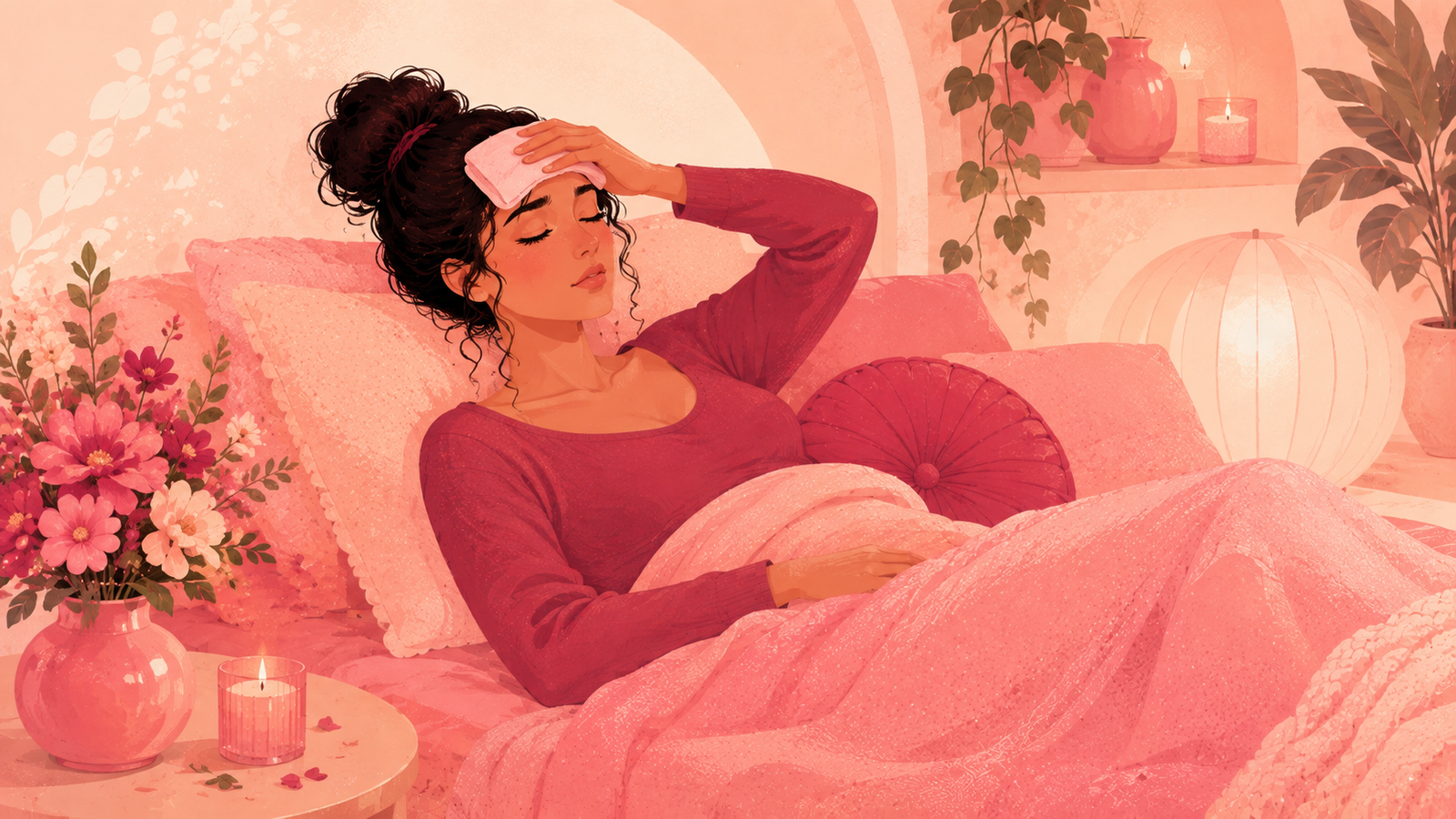
There is a particular kind of misery in getting your period during a heat wave. The cramps that are usually manageable feel sharper. The fatigue that usually means an early night feels like wading through syrup. Your mood, already tender from PMS, has zero patience left for a sweaty bus or a broken fan. If you have ever wondered whether summer actually makes your period worse or whether you are imagining it, this article is for you.
Here is the honest framing up front. Current evidence does not show that hot weather changes your hormones or causes PMS. What heat very plausibly does is stack extra load on a body that is already working hard. Dehydration, disrupted sleep, travel, changed routines, and heat stress can each make existing symptoms feel louder, and summer often delivers all of them at once. The difference matters, because amplifiers can be managed, and managing them is mostly practical, not medical.
This guide covers why summer can feel harder, which symptoms tend to get amplified, what is worth tracking so you can see your own pattern, and the warning signs that mean a symptom has crossed from uncomfortable into needs-care territory. If you want a simple place to log it all privately, Flow & Glow was built for exactly this kind of pattern noticing.
Does Heat Cause PMS
Let us settle the headline question properly, because the answer shapes everything else.
What the Evidence Says
PMS is linked to the hormonal shifts of the luteal phase, the stretch between ovulation and your period. Clinical guidance describes a wide range of physical and emotional symptoms in that window, from bloating and breast tenderness to irritability and low mood. Nothing in that picture is driven by the weather. Research on seasonality and menstrual symptoms is limited and mixed, and it does not support the idea that high temperatures change hormone levels or create PMS where it would not otherwise exist.
Amplifier, Not Cause
What heat does do is add stressors that interact badly with symptoms you already have. Think of it like background noise. The music is the same, but everything is harder to hear clearly. Dehydration, sleep loss, and heat strain each have their own well-documented effects, and those effects happen to overlap almost perfectly with the premenstrual symptom list. So the headache you would have had anyway arrives harder. The fatigue runs deeper. The irritability has a shorter fuse.
Why the Distinction Helps
If heat caused PMS, you could only wait for autumn. Because heat amplifies, you have levers: fluids, cooling, sleep protection, and pacing. None of them are glamorous, all of them are within reach, and tracking will show you which ones move the needle for your body.
Why Summer Feels Harder
Four amplifiers do most of the work. Most summers deliver several at once.
Dehydration Adds Up
In hot weather you lose more fluid through sweat, often without noticing, and clinical guidance links even mild dehydration with headaches, fatigue, dizziness, muscle cramping, and poor concentration. Now place that on top of a luteal phase or a period. Bloating, headaches, and tiredness are already on the menu, and a fluid deficit deepens each one. People who feel awful every summer period are often feeling compounded dehydration as much as anything menstrual.
Hot Nights Wreck Sleep
Bodies sleep best slightly cool, and hot, humid nights make it harder to fall asleep and stay asleep. Sleep loss is its own symptom amplifier: it worsens mood, lowers pain tolerance, and drains next-day energy. If PMS already disturbs your sleep, as it does for many people, a heat wave stacks a second sleep disruptor on top of the first. Two or three short nights in a row can make ordinary cramps and ordinary sadness feel dramatically heavier.
Travel Scrambles Everything
Summer is travel season, and travel is a known cycle disruptor. Time zones, disrupted sleep, new foods, long flights, and the low-grade stress of being away from routine can shift ovulation timing and make periods arrive early, late, or feeling different. Travel also interrupts the habits that usually carry you through symptoms: your usual foods, your water bottle, your workout, your bed. If your period has ever gone strange on a trip, you have already met this effect.
Routine and Stress Shifts
Even without travel, summer changes rhythms. Different schedules, more social events, more alcohol, less structure, and for students a complete life reshuffle. Stress and routine changes influence cycles and symptom perception in their own right. None of this is a reason to skip summer. It is a reason to expect your symptoms to read differently and to judge them gently.
Symptoms That Get Louder
Here is how the amplifiers tend to land on specific symptoms people search about.
Cramps and Aches
Heat itself does not make your uterus contract harder, but dehydration is associated with muscle cramping in general, and poor sleep lowers pain tolerance. The practical result is that the same cramps can feel worse in a hot, dehydrated, underslept week. Many people also move less in extreme heat, and long sedentary stretches can make cramps feel more prominent than they do with gentle movement.
Fatigue and Heaviness
Heat makes everyone more tired, because the body spends real effort on cooling. Add luteal phase tiredness or period fatigue and the result can feel crushing. If you are regularly tired before your period, expect summer to deepen that dip and plan around it rather than fighting it. An afternoon slump in a heat wave during your luteal phase is your body doing triple work, not a motivation failure.
Mood and Irritability
Heat and irritability are old friends, and sleep loss compounds both. If your premenstrual days already run emotionally tender, a hot week can shorten the fuse further. This is worth naming plainly because people often judge themselves hardest here. A snappish, weepy, or flat mood in a hot luteal week has at least three physical contributors before anything personal enters the picture.
Bloating, Cravings, and Appetite
Heat shifts appetite for many people, and fluid balance swings can make bloating feel more dramatic. Cravings can intensify when sleep is short, since tired bodies seek quick energy. If you already track PMS cravings, watch how they behave in hot weeks versus mild ones. Many people find cravings spike when they are actually thirsty or underslept, which is genuinely useful intelligence.
Headaches and Dizziness
This pair deserves special attention because it sits on the line between annoying and important. Mild dehydration headaches and brief lightheadedness on standing are common in heat. But dizziness in hot weather can also signal heat exhaustion, and on heavy flow days it can reflect meaningful fluid loss. The red flag section below draws the line clearly. When in doubt, treat dizziness in heat as a stop sign, not a push-through sign.
The Period Flu Feeling
Some people get a run-down, achy, almost sick feeling before their period, often called period flu. In summer, this can be confusing, because early heat exhaustion, a real summer virus, and period flu can all feel similar: tired, achy, headachy, off. Tracking your cycle days helps you tell them apart. A flu-ish feeling that arrives on schedule in your late luteal phase and lifts when bleeding starts has a very different story than one that appears mid-cycle after a day in the sun.
Heavy Days in the Heat
Heavy flow days plus high temperatures deserve their own respect, because you are managing fluid loss on two fronts.
Two Drains at Once
Sweating in heat and bleeding heavily both draw on your fluid reserves. Neither alone is usually dramatic, but together they explain why a heavy day in a heat wave can leave you woozy and wrung out in a way that surprises you. This is the day to be deliberately boring: steady fluids, shade, lighter plans, and zero hero behavior.
Practical Heavy Day Moves
- Front-load your hydration early in the day rather than chasing thirst at night
- Plan demanding tasks for cooler morning or evening hours
- Keep supplies, water, and a cool place within easy reach
- Sit down when you feel lightheaded, immediately, wherever you are
- Notice your flow honestly, since heat can distract you from how heavy a day actually was
When Heavy Is Too Heavy
Heat never explains soaking through a pad or tampon every hour for several consecutive hours, bleeding longer than about seven days, or clots much larger than your normal. Those patterns deserve a clinician's attention in any season. Hot weather can make the symptoms of heavy blood loss, like fatigue and dizziness, harder to spot against the general summer haze, which is one more reason honest flow tracking matters in summer specifically.
Track Your Heat Pattern
You cannot manage what you have not measured, and one summer of decent notes will teach you more about your body than any general article.
A Simple Daily Log
During hot weeks, a quick daily entry covering these fields takes under a minute:
| Field | What to note |
|---|---|
| Cycle day | Day of your cycle, or days since last period started |
| Heat exposure | Rough outdoor time and how hot the day felt |
| Fluids | Approximate water intake, plus alcohol or caffeine |
| Sleep | Hours and quality, and whether heat disturbed it |
| Cramps | None, mild, moderate, strong |
| Flow | Light, medium, heavy, plus any unusual clots |
| Dizziness | Any lightheadedness, when, and what you were doing |
| Headaches | Timing and strength |
| Mood | A quick honest word |
| Movement | What you did, even if it was a short walk |
| Travel | Any travel, time zones, or big routine changes |
| Medication | Anything taken, including pain relief |
What the Pattern Tells You
After one or two summer cycles, comparisons get powerful. Do cramps actually run worse on high-heat days, or only on short-sleep days? Do headaches track your fluid intake more than your cycle day? Did travel shift your period, or just your mood? People are often surprised by what the data shows: the dramatic villain is frequently sleep or hydration rather than temperature itself. Flow & Glow makes this kind of side-by-side noticing easy, since your cycle days and symptom notes already live in one private place, and a few custom notes about heat and fluids complete the picture.
Connect It to Your Cycle
The biggest single insight for most people is simply seeing heat symptoms against cycle days. A rough day means one thing mid-follicular and another on luteal day 12. If you have wondered more broadly how summer heat and your period interact, including whether heat can shift cycle timing itself, that question has its own deep dive in our library.
What May Help Now
None of this is fancy, and that is the point. Amplifiers respond to basics.
Fluids, Steadily
Drink regularly across the day rather than in large catch-up gulps, and increase intake on hot days, active days, and heavy flow days. Water covers most needs for most people. Urine color is a decent rough gauge: pale yellow generally suggests you are doing fine. If you have a health condition that affects fluid balance, follow the guidance you have been given individually rather than general rules.
Cool the Nights
Protect sleep like it is medicine, because functionally it is. Cool showers before bed, fans, cross-ventilation, lighter bedding, and shifting your bedroom setup for summer all help. If a heat wave is wrecking your sleep in your premenstrual week, lower your expectations of yourself accordingly. That is physiology, not weakness.
Move Gently, Time It Smartly
Movement still helps cramps and mood in summer, but timing and intensity matter. Early morning or evening beats midday, shade beats sun, and gentle beats heroic on symptomatic days. If you are not sure what gentle looks like on a rough day, our guide to low energy workouts covers movement that respects cramps and heavy days instead of fighting them.
Pace the Season
Stack your demanding plans on your higher-energy cycle days when you can, and give your late luteal phase and heavy days lighter schedules during heat waves. This is not about shrinking your summer. It is about spending your energy where it buys the most, which is exactly what your tracking data helps you see.
Travel Kindly
When traveling, carry water through airports, expect your cycle to wobble, pack supplies even if your period is not due, and build one quiet recovery day into ambitious itineraries. If your period arrives off-schedule on a trip, log it and let it be. One travel-shifted cycle is an anecdote, not an alarm.
When Symptoms Need Care
Most summer symptom flare-ups are uncomfortable but safe. These situations are different, and knowing them cold is genuinely important.
Heat Emergency Signs
Get out of the heat and seek urgent help if you or someone near you shows signs of serious heat illness. Warning signs of heat exhaustion include heavy sweating, dizziness, nausea, headache, muscle cramps, a fast pulse, and feeling faint. It calls for immediate cooling, fluids, and rest, and improvement within about half an hour. Signs that suggest heatstroke, which is an emergency, include confusion, hot skin that may be dry, a very high body temperature, fainting, or symptoms that do not improve with cooling. That situation needs emergency services, not a wait-and-see approach.
Bleeding and Pain Red Flags
Season aside, seek care for soaking through protection every hour for several hours, bleeding beyond about seven days, severe pelvic pain, fainting, or pain that does not respond to your usual relief. If pregnancy is possible and you have heavy bleeding or severe pain, that combination always deserves prompt medical attention.
Trust the Trend
Finally, trust your own baseline. A symptom that is dramatically out of character for your body, in any season, is worth a conversation with a clinician even if it does not match a list. You do not need to panic, but you do deserve clarity, and your tracking record will make that conversation faster and more useful.
The short version of this whole article fits in one line: summer does not change your cycle's story, it just turns up the volume. Steady fluids, cooler nights, gentle pacing, and a few honest notes a day will turn most of that volume back down, and will show you exactly which knob matters most for your body.
Article information
- Written by Jessica Morrison, MS in Health Communication, CHES
- Medically reviewed by Dr. Maya Patel, MD, MPH
- Published on June 13, 2026
- Updated on August 4, 2026
Key takeaways
- Heat does not change your hormones or cause PMS, but it can amplify how symptoms feel.
- Even mild dehydration is linked to headaches, fatigue, dizziness, and trouble concentrating, which overlap with PMS and period symptoms.
- Hot nights commonly disrupt sleep, and short sleep tends to worsen mood, pain perception, and energy.
- Travel, schedule changes, and summer stress can shift cycles and make symptoms harder to read.
- Heavy flow days in hot weather mean fluid loss on two fronts, so hydration and pacing matter more.
- Tracking heat exposure, fluids, sleep, and symptoms across a summer cycle reveals your personal pattern.
- Cooling strategies, steady fluids, gentle movement, and realistic pacing help most people most.
Frequently asked questions
Can hot weather actually cause PMS?
No. PMS is linked to the hormonal shifts between ovulation and your period, and current evidence does not show that heat changes hormone levels or creates PMS. What heat can do is amplify symptoms you already have, mainly through dehydration, disrupted sleep, and added stress, which is why summer PMS can feel genuinely worse.
Why do my cramps feel worse in summer?
Heat does not strengthen uterine contractions, but dehydration is linked with muscle cramping in general, and short hot-night sleep lowers pain tolerance. Less movement during extreme heat can also make cramps more noticeable. Together those can make the same cramps feel significantly harder than they do in mild weather.
Does dehydration make period symptoms worse?
It can make them feel worse. Even mild dehydration is associated with headaches, fatigue, dizziness, and poor concentration, all of which overlap with PMS and period symptoms. On heavy flow days in heat you lose fluid on two fronts, so steady drinking across the day matters more than usual.
Can a heat wave or summer travel delay my period?
Travel, stress, disrupted sleep, and big routine changes can shift ovulation timing, which can move your period earlier or later. A single off-schedule cycle after a trip or an intense stretch is common and usually settles. Track the dates, and if cycles stay irregular across several months, raise it with a clinician.
How much should I drink during my period in hot weather?
Needs vary by body, activity, and conditions, so steady intake across the day beats any fixed number. Drink regularly rather than waiting for strong thirst, increase intake on hot, active, and heavy flow days, and use pale yellow urine as a rough sign you are keeping up. Follow individual medical guidance if you have a condition affecting fluid balance.
How do I know if it is heat exhaustion or just period fatigue?
Period fatigue tends to track your cycle days and improves with rest. Heat exhaustion follows heat exposure and brings heavy sweating, dizziness, nausea, headache, and a fast pulse, and it should improve within about thirty minutes of cooling and fluids. Confusion, fainting, hot dry skin, or no improvement with cooling are emergency signs that need immediate help.
When should I see a doctor about summer period symptoms?
Seek care for soaking through protection hourly for several hours, bleeding beyond about seven days, severe pelvic pain, fainting, dizziness that keeps returning, or any heavy bleeding or severe pain when pregnancy is possible. Also trust your baseline: a symptom far outside your normal deserves a conversation in any season.
References
- American College of Obstetricians and Gynecologists. (n.d.). Premenstrual syndrome (PMS) Source
- Centers for Disease Control and Prevention. (n.d.). About heat and your health Source
- Cleveland Clinic. (n.d.). Dehydration Source
- National Health Service. (n.d.). Heat exhaustion and heatstroke Source
- National Institutes of Health, National Library of Medicine. (2017). Menstrual symptom variation and environmental and lifestyle context: A review Source
- Office on Women's Health. (n.d.). Premenstrual syndrome (PMS) Source
Editorial and medical disclaimer
Flow & Glow health content is educational and is not a substitute for diagnosis, treatment, or personal medical advice from a qualified clinician.
Our editorial standards, reviewer process, sourcing approach, and correction process are explained in the Editorial Policy. You can also review our authors and medical reviewers, healthcare professional information, contact page, and privacy policy.