Best Period Tracker App for Cycle Syncing Workouts
Find a period tracker with phase based workouts, symptom notes, and flexible cycle syncing support for calmer fitness planning.
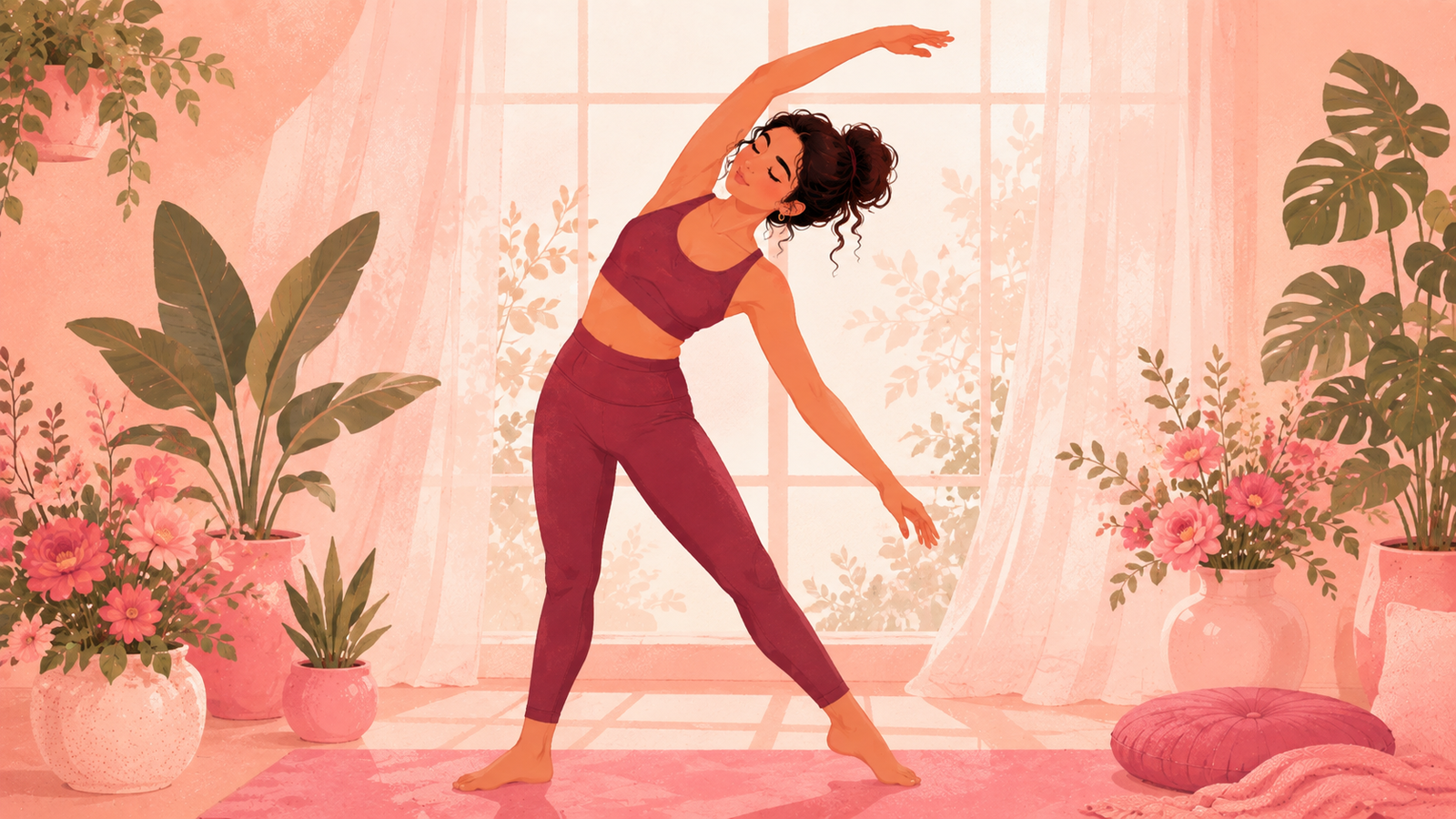
If you have ever searched for cycle syncing app workouts and then opened a fitness plan on day one of your period and thought, absolutely not, you are not alone. Your cycle can affect how you feel, how motivated you are, how quickly you recover, and what kind of movement sounds realistic on a given day. That does not mean your cycle should control your life. It means your fitness routine may feel better when it leaves room for patterns, symptoms, energy shifts, rest, and flexibility.
That is where a thoughtful cycle syncing app can help. Flow & Glow is an iOS cycle wellness companion built for women who want period tracking, ovulation awareness, symptom notes, and phase based workouts in one calmer place. Instead of treating your body like a machine that should perform the same way every day, it helps you notice what is changing and plan movement with more self-awareness.
Searches for cycle syncing app workouts often come from people who are not just looking for a calendar. They want a period tracker with workouts that makes the connection between cycle phase, symptoms, mood, energy, and exercise. They may be comparing cycle apps, fitness apps, and wearable dashboards, but still feel like nothing explains what to do when they are cramping, bloated, tired, unexpectedly strong, or somewhere in between.
The important thing to know upfront is this: cycle syncing is not a guaranteed performance formula. It is not a medical treatment, and it should not be used to ignore pain, heavy bleeding, dizziness, fainting, pregnancy concerns, postpartum needs, or existing health conditions. But as a self-awareness tool, it can be useful. A menstrual cycle workout tracker can help you see patterns over time, choose modifications more confidently, and stop treating rest as failure.
This guide explains what to look for in the best period tracker app for cycle syncing workouts, how phase based workouts can fit into real life, and why Flow & Glow is designed for flexible, supportive fitness planning rather than rigid rules.
Why cycle syncing workouts are becoming so popular
Many people start looking for cycle syncing app workouts because their energy does not feel random anymore. They notice that some weeks feel easier for strength training, some weeks feel more social and energetic, and some days call for slower movement or complete rest. They may not have the language for it yet, but they are trying to understand whether their menstrual cycle is part of the pattern.
The idea behind cycle syncing is simple: instead of planning workouts as if every day is the same, you use your cycle as one input when choosing movement. You might lean into gentle stretching during heavy bleeding, return to moderate strength work as your energy improves, explore higher intensity sessions when you feel strong, and choose more recovery-focused options when PMS symptoms appear.
That sounds appealing because most mainstream fitness plans are not built around menstrual realities. A four-week workout challenge may assume that week one, week two, week three, and week four should all be equally productive. A running plan may not ask whether cramps are affecting your pace. A strength app may not care that poor sleep and breast tenderness are making heavy lifts feel awful.
A cycle syncing workouts app fills that gap by helping you look at your body through a broader lens. The goal is not to make every workout easier. It is to make your plan more honest. Some days you may still want to push. Some days you may want to adjust. Some days the best choice is rest, hydration, heat, food, and a softer schedule.
The growing interest also reflects a bigger shift in wellness culture. Many women want tools that feel less harsh, less shame-based, and less obsessed with streaks. They want a menstrual cycle workout tracker that says, here is what your body may be experiencing, here are movement options, and here is permission to choose what fits.
What a cycle syncing app for workouts should actually do
A helpful app does not just label your cycle phase and tell you to work out differently. It should support a complete loop: track, notice, plan, adjust, and learn.
Track your cycle without making it complicated
At minimum, the app should let you log period start and end dates, cycle length, flow, symptoms, mood, energy, and notes. Over time, these logs help create a clearer picture of your personal patterns. Some people have textbook cycles. Many do not. Your app should leave room for irregularity, missed periods, contraception, stress, travel, illness, and changing routines.
A good period tracker with workouts should also make it easy to correct dates, edit entries, and import or export information. Your cycle data belongs to you, so the experience should not feel locked away or difficult to manage.
Connect movement to how you feel
The best cycle syncing workouts app should treat symptoms as meaningful. If you log cramps, fatigue, bloating, headaches, low mood, anxiety, or sore breasts, your workout guidance should feel different from a day when you log high energy and good sleep.
This is where many competitor tools fall short. Some fitness apps offer great workouts but do not understand cycle context. Some period trackers predict bleeding and ovulation but do not help you decide whether today is a strength day, yoga day, walk day, or rest day. The most useful experience connects both.
Keep recommendations flexible
Cycle syncing can become unhelpful when it turns into another set of rules. You should not feel like you failed because you did high intensity exercise in the luteal phase, lifted weights during your period, or rested around ovulation. Real bodies are more complex than a simple phase chart.
A better app says: here are options that may feel supportive, here are signs to ease back, and here are ways to modify. This keeps the guidance useful without pretending your hormones are the only factor that matters.
Support privacy-conscious tracking
Period data, symptoms, sex-related notes, fertility estimates, and mood logs can feel deeply personal. A cycle tracking app should make privacy feel like part of the product, not an afterthought. For many users, especially younger women, this is a major reason to choose a calmer, more respectful app experience.
Feel emotionally supportive
Tone matters. If an app makes you feel behind, broken, lazy, or overly monitored, you may stop using it. Flow & Glow is designed to feel warm and clear, with daily guidance that supports body literacy instead of turning your cycle into a performance score.
How the menstrual cycle can affect workouts
Your menstrual cycle includes hormonal changes that may influence energy, sleep, temperature, appetite, motivation, fluid retention, and discomfort. Not everyone notices strong changes, and not every cycle feels the same. Still, many people find that tracking helps them understand why some workouts feel easier or harder at certain times.
Menstrual phase: movement may need to meet you where you are
The menstrual phase starts when bleeding begins. For some people, this phase is mild and workouts continue as normal. For others, cramps, fatigue, nausea, headaches, digestive changes, heavy flow, or low mood can make intense exercise feel unrealistic.
During this phase, a cycle syncing approach might suggest walking, stretching, yoga, mobility work, gentle strength training, or extra rest. That does not mean exercise is off limits. Some people feel better after movement because it improves mood or reduces stiffness. Others need quiet recovery. Both are valid.
If period pain is severe, bleeding is very heavy, or symptoms interrupt daily life, do not simply push through because an app suggests movement. Those signs deserve medical attention.
For a deeper guide to movement on period days, Flow & Glow also has a supportive resource on the best workouts during your period.
Follicular phase: energy may gradually rise
After your period starts, some people begin to feel energy return. Motivation may improve, and workouts that felt too demanding a few days earlier may start to feel possible again. This can be a good time to rebuild consistency, try moderate cardio, return to strength training, or schedule sessions that require focus.
That said, not everyone feels a clear lift. If you are recovering from poor sleep, illness, stress, under-fueling, or a hard training week, your app should not push intensity just because the calendar says you are in a more energetic phase.
This is why symptom notes matter. A phase estimate is useful, but your real-time body feedback is just as important.
Ovulation phase: some people feel strong, but comfort still matters
Around ovulation, some people report feeling more energetic, confident, or socially motivated. This can make strength training, higher intensity intervals, dance classes, runs, or challenging workouts feel appealing.
But ovulation can also bring pelvic discomfort, bloating, breast tenderness, discharge changes, or mood shifts for some people. A good cycle syncing app should not assume that ovulation always equals peak performance. It should offer options and encourage you to listen to pain, fatigue, or unusual symptoms.
If you want more detail on this part of the cycle, read Flow & Glow's guide to ovulation phase workout ideas.
Luteal phase: recovery and modifications can matter more
The luteal phase comes after ovulation and before your next period. Some people feel steady at first, then notice PMS symptoms closer to bleeding. These may include bloating, mood changes, cravings, sleep disruption, fatigue, cramps, headaches, or lower motivation.
A flexible phase based workouts plan may shift toward moderate strength, lower impact cardio, yoga, Pilates, walking, mobility, or extra recovery as symptoms build. For some people, heavier lifting still feels great. For others, a small reduction in intensity makes the difference between staying consistent and burning out.
Flow & Glow has a separate guide on luteal phase workout planning if this part of your cycle tends to feel harder.
Why Flow & Glow fits cycle syncing app workouts intent
When someone searches for cycle syncing app workouts, they usually want one of three things. They want to understand what workouts match each cycle phase. They want an app that combines tracking and fitness guidance. Or they want a kinder way to stay active without ignoring symptoms.
Flow & Glow is designed around that exact middle ground. It is not just a period prediction tool, and it is not a strict fitness coach. It is a cycle wellness companion that helps you connect what is happening in your body with what you may want to do today.
Period and ovulation tracking in one place
You can track periods, ovulation estimates, and fertile window timing so your workout planning has cycle context. This is useful whether you are trying to understand recurring symptoms, plan around upcoming bleeding, or simply get a better sense of your rhythm.
Cycle predictions are estimates, not guarantees. Stress, illness, travel, contraception, medications, sleep, weight changes, and health conditions can all affect timing. Flow & Glow is best used as a self-awareness tool, not as a diagnostic tool or a replacement for contraception or medical advice.
Symptom notes that make workouts more personal
A workout suggestion is more useful when it knows whether you are bloated, cramping, energized, anxious, tired, or feeling good. Symptom notes help you build your own pattern library. After a few cycles, you may notice that you prefer strength training early in the follicular phase, walking before your period, yoga on heavier bleeding days, or shorter workouts when sleep drops.
This is the real value of a menstrual cycle workout tracker. It gives you memory. Instead of guessing why a workout felt terrible last month, you can look back and see what else was happening.
Phase based workouts without rigid rules
Flow & Glow supports phase based workouts, but the tone stays flexible. That matters because cycle syncing content online can sometimes sound too certain. It may imply that every woman should train the same way in each phase, or that following a phase plan will automatically improve results.
A healthier approach is to use phase based workouts as suggestions. You can still choose a run during your period, a rest day around ovulation, or a heavy lift in the luteal phase if it feels right for you. The app should support choice, not guilt.
For a broader breakdown of phase planning, see Flow & Glow's guide to cycle syncing workouts.
Yoga and gentle movement when you need softness
Many people searching for a period tracker with workouts are not always looking for maximum intensity. Sometimes they want a way to move without forcing it. Yoga, stretching, mobility, and low intensity routines can be helpful when your body feels tense, heavy, or sensitive.
Flow & Glow's wellness style is especially useful for users who want movement to feel emotionally safe. The goal is not to punish your body into consistency. It is to support your body through changing needs.
Daily guidance that feels calmer than a clinical chart
Some trackers are accurate but cold. Others are pretty but shallow. Flow & Glow aims for a warmer middle: clear cycle information, gentle daily prompts, and guidance that feels easy to come back to.
For women 18 to 30, this matters. College schedules, first jobs, travel, social life, dating, stress, sleep changes, and changing health routines can make cycle tracking feel inconsistent. A calmer app experience can help you stay connected without feeling judged.
Offline-first and practical for real life
Cycle tracking should not fall apart because your connection is bad or you are traveling. Offline-first tracking helps you log symptoms and cycle details when life is not perfectly connected. This is especially useful if you want your period tracker to be a daily habit rather than something you only open when your period is late.
How to compare Flow & Glow with other cycle and fitness apps
The app market is crowded. Some well-known period trackers focus heavily on prediction. Some offer fertility education. Some wearable apps focus on strain, recovery, temperature, and sleep. Fitness apps may offer excellent workout libraries but limited cycle context.
If your main goal is cycle syncing app workouts, compare apps using practical criteria.
Cycle phase and symptoms
A phase label alone is not enough. If the app says you are in your luteal phase but you feel energetic and pain-free, you may not need a gentle day. If it says you are in your follicular phase but you slept badly and have cramps, you may need to adjust. Look for an app that lets symptoms influence your choices.
Rest without shame
A good app should not treat rest like a broken streak. Rest can be part of training, especially if you are dealing with pain, heavy bleeding, fatigue, illness, injury, or poor sleep. The best cycle syncing workouts app should normalize rest days and offer gentle alternatives without pressure.
Avoid exaggerated claims
Be careful with any app or blog that promises cycle syncing will balance hormones, fix all PMS, guarantee weight loss, or improve performance for everyone. Menstrual health and exercise response are individual. A trustworthy app uses realistic language.
Workout modifications
Modification is one of the biggest signs of a useful workout tool. You may want lower impact options, shorter sessions, reduced load, slower pace, longer warmups, or yoga instead of strength. A rigid plan can make you quit. A flexible plan helps you adapt and continue.
Privacy respect
Cycle data can include intimate information. Before choosing an app, consider how comfortable you feel with its privacy approach, account requirements, export options, and overall tone. A supportive app should make you feel in control of your own information.
Daily usability
The best app is not always the one with the most features. It is the one you will actually open. If the design feels stressful, cluttered, or judgmental, it may not help you build a sustainable habit. Flow & Glow is designed to feel soft, clear, and encouraging so cycle tracking becomes easier to maintain.
A realistic phase based workout framework
There is no single perfect plan for every cycle. The framework below is a starting point, not a prescription. Use it as a menu and adjust based on your symptoms, fitness level, health status, and preferences.
During your period
If you feel okay, you may continue normal exercise. If bleeding, cramps, or fatigue are strong, consider walking, restorative yoga, gentle mobility, light stretching, or rest. Heat, hydration, food, sleep, and comfortable clothing can also support your day.
Good options may include:
- Slow walks
- Gentle yoga
- Light resistance bands
- Mobility flows
- Easy cycling
- Restorative stretching
- Complete rest when needed
Avoid turning period workouts into a test of toughness. If movement helps, use it. If it worsens pain or fatigue, stop and reassess.
After your period
As symptoms ease, you may feel ready for more structured workouts. This can be a good time to rebuild consistency with strength training, moderate cardio, Pilates, barre, dance, or running. If you are returning after low energy days, start gradually rather than jumping straight into maximum effort.
Good options may include:
- Strength training with progressive effort
- Moderate runs or cycling
- Pilates or barre
- Skill-based workouts
- Longer walks
- Full body sessions
Around ovulation
If you feel energized, this may be a time when challenging workouts feel appealing. You might enjoy heavier strength sessions, intervals, faster runs, group classes, or more dynamic movement. But if ovulation discomfort appears, choose lower impact options.
Good options may include:
- Strength training
- Interval workouts if appropriate
- Dance cardio
- Hill walks
- Athletic conditioning
- Power yoga
Pay attention to sharp pain, unusual pelvic discomfort, dizziness, or symptoms that feel different from your normal pattern.
Before your period
The late luteal phase can be a time to protect recovery. You may want shorter workouts, lower impact cardio, mobility, yoga, or strength training with lighter loads. If your mood or sleep is affected, it may help to make workouts easier to start.
Good options may include:
- Lower impact strength
- Walking
- Gentle cycling
- Yoga or stretching
- Shorter sessions
- Mobility and core stability
- Rest days
This phase is where a period tracker with workouts can be especially useful. If you know PMS tends to arrive at a certain time, you can plan a softer week before you feel overwhelmed.
Safety notes before using any menstrual cycle workout tracker
A cycle syncing app can support awareness, but it cannot assess your health the way a clinician can. Use extra caution if you have severe cramps, very heavy bleeding, bleeding between periods, dizziness, fainting, chest pain, unusual shortness of breath, sudden pelvic pain, fever, or symptoms that are new for you.
You should also seek personal guidance if you are pregnant, trying to conceive, postpartum, recovering from surgery, managing an eating disorder, dealing with a chronic condition, recovering from injury, or using medications that affect your cycle, heart rate, blood pressure, or energy.
If exercise makes symptoms worse, stop. If pain changes suddenly, do not use an app to explain it away. Cycle tracking is useful because it helps you notice patterns, but unusual symptoms deserve attention.
For most people, moderate physical activity can be part of a healthy lifestyle. The right amount and type depend on your body, fitness level, schedule, and health history. A good app helps you adapt rather than forcing a one-size-fits-all plan.
How Flow & Glow helps you build a gentler fitness habit
Consistency does not always come from discipline. Sometimes it comes from making your plan easier to respect. If your workouts only work when you feel energized, pain-free, well-rested, and motivated, the plan may not survive real life. A cycle-aware approach gives you more ways to stay connected.
Flow & Glow helps by making your cycle visible without making it scary. You can track what is happening, notice how symptoms line up with movement, and choose workouts that feel more realistic. Over time, that can build confidence.
Instead of asking, what should I force myself to do today, you can ask:
- What phase might I be in?
- What symptoms am I noticing?
- What kind of movement would support me today?
- Do I need intensity, steadiness, softness, or rest?
- What did I learn from last cycle?
That shift matters. It turns workouts from a battle into a conversation with your body.
Who Flow & Glow is best for
Flow & Glow may be a good fit if you want:
- An iOS period tracker with workouts and wellness guidance
- Cycle phase awareness without rigid rules
- A calmer app experience than cold clinical trackers
- Symptom notes that help you understand workout patterns
- Ovulation and fertile window estimates in the same place
- Yoga, gentle movement, and phase based workouts
- Privacy-conscious, offline-first tracking
- A supportive tone that does not shame rest days
It may not be the right fit if you need medical diagnosis, treatment for severe symptoms, fertility care, pregnancy monitoring, injury rehabilitation, or a clinician-designed training plan. In those cases, an app can still help you track information, but it should not replace professional care.
How to start using cycle syncing workouts without overthinking it
You do not need to rebuild your whole fitness routine overnight. Start with simple tracking for one or two cycles. Log your period, symptoms, mood, energy, sleep notes, and workouts. Do not judge the entries. Just collect information.
Then look for patterns. Maybe your heavy flow days need more rest. Maybe your best strength sessions happen after your period. Maybe late luteal workouts work better when they are shorter. Maybe your symptoms change when stress is high. The point is not to find a perfect formula. The point is to understand your own body better.
Next, create a flexible workout menu for each phase. Instead of assigning one required workout, list several options. For example, during your period you might choose rest, yoga, a walk, or light strength. Around ovulation you might choose heavier lifting, dance cardio, or intervals if you feel good. Before your period, you might choose walking, Pilates, or shorter strength sessions.
Finally, keep the plan compassionate. If your cycle is irregular, if your symptoms change, or if life gets messy, you are not doing anything wrong. Cycle syncing should reduce friction, not create another standard to fail.
The bottom line
The best period tracker app for cycle syncing workouts is not the one that gives the strictest rules. It is the one that helps you understand your body, choose movement with more context, and adapt without shame.
Flow & Glow brings period tracking, ovulation awareness, symptom notes, phase based workouts, yoga, daily wellness guidance, and privacy-conscious tracking into a softer iOS experience. It is built for women who want to feel more connected to their cycle without turning every phase into a performance mandate.
Use cycle syncing as a guide, not a guarantee. Let your symptoms matter. Let rest count. Let workouts change when your body asks for something different. A supportive app can help you notice the pattern, but you are always allowed to choose what feels safe, realistic, and kind.
Article information
- Written by Flow & Glow Editorial
- Medically reviewed by Dr. Jennifer Martinez, MD, FACOG
- Published on July 10, 2026
- Updated on August 4, 2026
Key takeaways
- Cycle syncing workouts are best used as a flexible planning framework, not a strict rulebook.
- A strong app should combine period tracking, ovulation awareness, fertile window estimates, symptom notes, and phase based workouts.
- The most useful recommendations consider how you feel today, not just what phase the calendar says you may be in.
- Rest, low intensity movement, yoga, mobility, walking, and strength modifications should all be treated as valid options.
- A period tracker with workouts should use cautious language and avoid promising guaranteed hormonal, weight loss, or performance results.
- Privacy matters because cycle data can be personal. Look for tools that feel transparent, simple, and respectful.
- Flow & Glow is built to make cycle tracking feel softer, more supportive, and more connected to daily wellness than a cold clinical calendar.
Frequently asked questions
What is the best period tracker app for cycle syncing workouts?
The best app is one that combines cycle tracking, symptom notes, ovulation awareness, and workout guidance without making rigid promises. Flow & Glow is designed for this kind of flexible support, especially if you want phase based workouts, yoga, daily wellness guidance, and a warmer tracking experience.
Can a cycle syncing app workouts plan improve fitness results?
It may help some people plan workouts more comfortably, but it should not be treated as a guaranteed performance method. Fitness results depend on training, sleep, food, stress, recovery, health conditions, and consistency. Cycle syncing can be useful for self-awareness, but it does not work the same way for everyone.
Should I avoid intense workouts during my period?
Not always. Some people feel fine doing intense workouts during their period, while others need gentler movement or rest. If you have severe pain, heavy bleeding, dizziness, fainting, or symptoms that feel unusual, stop and seek personal medical guidance.
What makes a period tracker with workouts different from a regular fitness app?
A regular fitness app usually focuses on exercise plans, calories, strength, cardio, or recovery metrics. A period tracker with workouts adds cycle context, including bleeding days, estimated phases, symptoms, mood, energy, and fertile window awareness. This can help you choose workouts that fit how you feel.
Are phase based workouts safe for beginners?
They can be, as long as the workouts match your fitness level and health needs. Beginners should start gently, increase gradually, and avoid using cycle syncing as pressure to do high intensity workouts. If you have a medical condition, injury, pregnancy concern, or postpartum symptoms, get personal guidance first.
Can I use a menstrual cycle workout tracker if my cycle is irregular?
Yes, but predictions may be less accurate. Tracking can still help you notice patterns in bleeding, symptoms, energy, and workouts. If your cycle is suddenly irregular, very long, very short, missing, or concerning for you, it is worth speaking with a qualified health professional.
Does Flow & Glow replace medical advice?
No. Flow & Glow is a cycle wellness and self-awareness app, not a diagnostic tool or medical treatment. Use it to track patterns and support daily choices, but seek professional help for severe symptoms, heavy bleeding, fainting, pregnancy or postpartum concerns, or any health issue that worries you.
References
Editorial and medical disclaimer
Flow & Glow health content is educational and is not a substitute for diagnosis, treatment, or personal medical advice from a qualified clinician.
Our editorial standards, reviewer process, sourcing approach, and correction process are explained in the Editorial Policy. You can also review our authors and medical reviewers, healthcare professional information, contact page, and privacy policy.