If You Have PCOS, Start With These 3 Focus Areas
New to PCOS? Start with three simple focus areas: cycle patterns, hormone symptoms, and lifestyle anchors. A warm, practical beginner guide.
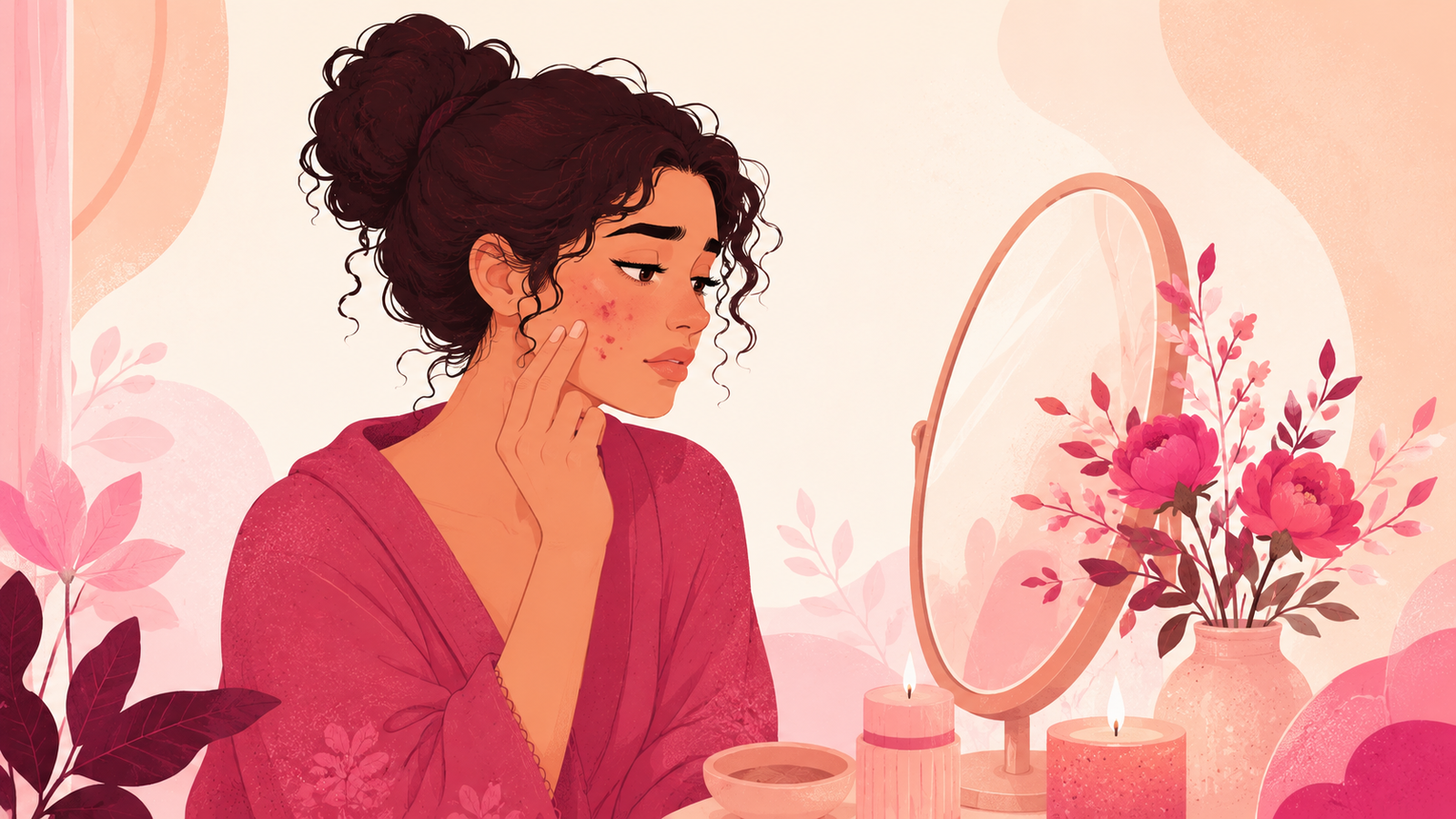
Getting a PCOS diagnosis, or even suspecting you might have polycystic ovary syndrome, can feel like being handed a homework packet the size of a phone book. Every search result seems to pile on more information about hormones, insulin, weight, hair, skin, fertility, mood, sleep, and food. It is a lot. And most of it assumes you already know where to begin.
You do not need to fix everything at once. You do not even need to learn everything at once. The most useful first move with PCOS is to narrow your attention to three focus areas that will teach you how your body actually behaves. Those three areas are your cycle pattern, the symptoms that travel with your hormones, and the daily lifestyle anchors that quietly shape how you feel. If you build a calm routine around these three, you will have real information to bring to a care team and a much better sense of what your body needs.
This guide walks through each focus area with beginner friendly language, and it points to a simple first week of tracking you can start today. If you want a gentle place to log cycle notes without ads or paywalls in the way, download Flow & Glow on the App Store and use it as your PCOS notebook. Everything below works whether you use an app, a paper journal, or a note in your phone.
Focus Area 1: Cycle Pattern
The first place to look with PCOS is your actual cycle behavior over time. One period tells you almost nothing. Three or four cycles begin to tell a story. PCOS often shows up as cycles that are longer than average, sometimes much longer, and cycles that do not repeat with a comfortable rhythm. Some months your period might arrive at day 32, another month at day 47, another month not at all. That variability is common, and it is also useful information.
Start by noting when bleeding begins and ends. Count from the first day of full flow to the first day of the next full flow. Do this for every cycle you can, even if the gaps are long. If bleeding is spotty at the start or end, note that too. Spotting is not the same as full flow, and untangling the two helps you and any clinician see what your body is really doing.
Next, notice the volume and character of the bleed. Is it light throughout, heavy for one day and then light, heavy for many days, clotty, watery, or a mix? Is it painful, and if so, is the pain concentrated in the first day or spread across several days? These details matter. Heavy or prolonged bleeding can be part of PCOS, and it can also be a sign that something else deserves attention. A calm log turns vague memory into useful facts.
Cycle irregularity often creates a self reinforcing anxiety loop. You wait for your period, it does not come, you start to worry, the worry itself can affect sleep and stress hormones, which can further disturb the cycle. Tracking helps break the loop by giving you evidence rather than guessing. It also stops you from mentally rounding up small differences into big alarms. A cycle that is a week longer than last month is not a crisis. A cycle pattern that swings wildly for months on end is a conversation to have with a clinician.
If you want to go deeper on how PCOS cycles actually look in real bodies, spend some time reading about irregular period patterns with PCOS. Understanding the patterns other people describe often makes your own experience feel less isolating and less confusing.
Practical prompts for this focus area:
- What was the length of your last three cycles, measured day one to day one?
- How many days did full bleeding last?
- Was bleeding light, moderate, heavy, or variable?
- Did you have spotting before or after the main bleed?
- Did pain follow a pattern, and how did it compare to previous months?
- Were there stress events, travel, illness, or big schedule changes that might have shaped this cycle?
Once you have a month of notes, look for the shape rather than the exact numbers. PCOS does not require perfect precision. It rewards patient observation.
Focus Area 2: Hormone Symptoms
The second focus area is the collection of symptoms that shift with hormones. These are the parts of PCOS that show up on your skin, in your energy, in your appetite, in your mood, and in your sleep. Many people with PCOS notice that these symptoms move together in clusters. Learning your personal cluster is one of the most useful things you can do.
Skin is often the first place people notice change. PCOS can be associated with breakouts along the jawline, chin, and lower cheeks. Some people notice their skin gets oilier around ovulation, or that breakouts appear a week before their period. Others notice acne that never fully clears regardless of the day of the cycle. Note where breakouts appear, when they appear, and how they feel.
Hair patterns often follow. Some people notice thicker, darker hair growing on the chin, jaw, upper lip, chest, belly, or back. Others notice thinning at the crown or temples. These changes can feel emotional, and they deserve a gentle observation rather than harsh judgment. Note whether the changes have grown gradually over years or arrived suddenly in months. Sudden changes are worth mentioning to a clinician sooner rather than later.
Cravings, energy, and mood are the next cluster. PCOS can involve blood sugar sensitivity, which shows up as strong afternoon cravings, energy crashes an hour after meals, or a hard time going more than a couple of hours without food. Mood can dip alongside these swings, and irritability sometimes tracks with hunger rather than with the cycle phase itself. Learning to separate blood sugar mood from cycle mood is a real skill, and it develops over weeks of gentle observation.
Sleep matters more than most beginners expect. PCOS can affect sleep quality, sometimes through night waking, sometimes through restless legs, sometimes through the mind racing at bedtime. Some people notice snoring or being told they seem to stop breathing at night. That kind of sleep disruption deserves clinical attention. Track sleep loosely: bedtime, wake time, whether you felt rested, whether you woke up in the night.
Bloating and digestion often round out the cluster. Many people notice a puffy, heavy feeling in the lower belly, sometimes for days at a time. Others notice constipation alternating with looser stools. These symptoms can be uncomfortable and can also affect body image. Note them without harshness. They are data, not verdicts.
A simple way to keep all of this straight is to use a lightweight hormone symptom tracker that lets you tag symptoms per day. You do not need to log everything every day. Pick the two or three symptoms that bother you most, and log those consistently. The rest can be captured with a quick weekly note.
If you want a broader map of how symptoms tend to shift across the phases of a cycle in bodies with PCOS, read up on PCOS symptoms across the cycle. The goal is not to fit a rigid pattern. The goal is to learn your version of the pattern.
Practical prompts for this focus area:
- Which two or three symptoms bother you the most right now?
- When during the cycle do they tend to appear or worsen?
- Are there symptoms that seem to travel together, like cravings and mood dips?
- Are there symptoms that feel disconnected from the cycle and more tied to stress or food?
- Which symptoms would you want a clinician to know about first?
Symptoms rarely tell a clean story in one month. Two or three months of gentle logging usually reveals a personal rhythm that no article can predict for you.
Focus Area 3: Lifestyle Anchors
The third focus area is your daily lifestyle. This is where many PCOS guides go wrong by turning lifestyle into a punishing project. Lifestyle anchors matter, but they are supports for how you feel, not moral tests. Think of them as the frame around your cycle and symptoms, not a set of rules to earn health.
Sleep is the biggest lever most people underuse. Aim for a consistent sleep window rather than a perfect number of hours. Going to bed and waking at roughly the same time every day, even on weekends, tends to steady mood, cravings, and energy over a few weeks. If sleep is disrupted, notice whether it is trouble falling asleep, night waking, early waking, or non restorative sleep. Each pattern points in a different direction for care.
Food rhythm often matters more than the exact contents of any single meal. Skipping meals, then over eating at night, is a common pattern that can amplify PCOS symptoms. A gentle first step is to eat something with protein and fiber earlier in the day, and to keep meals reasonably spaced. Notice how your energy behaves in the two hours after eating. If you crash hard, the meal likely needed more protein or fiber. Do not treat food as good or bad. Treat it as information.
Movement supports insulin sensitivity, mood, and sleep. It does not need to be intense. A daily walk after meals, some gentle strength work a few times a week, and stretching or yoga most days will often do more for PCOS symptoms than a punishing gym routine that you cannot sustain. If you enjoy harder training, that can also fit. The rule is sustainability, not intensity.
Stress is the invisible thread through the whole PCOS picture. Chronic stress affects sleep, food choices, hormone balance, and mood. Small daily practices work better than heroic weekend efforts. A short breathing practice in the morning, a five minute wind down before bed, and a genuine day off each week are simple anchors. So is putting down the phone for the last thirty minutes before sleep.
Ovulation and fertility deserve their own careful mention. Many PCOS resources jump straight to fertility, which can be overwhelming if you are early in your journey. Ovulation with PCOS can be less predictable than the textbook models suggest. Some cycles include ovulation and others do not. If you want to understand fertility windows and how ovulation signals work when cycles are irregular, look at ovulation tracking with irregular cycles. Do this at your own pace. If fertility is not a current goal, you can simply notice ovulation signs like cervical mucus changes and mid cycle sensations without turning it into a project.
Practical prompts for this focus area:
- What time did you go to bed and wake up on most days this week?
- How many meals had protein and fiber, roughly?
- How many days did you move your body, in any form?
- What was your most stressful hour of the week, and what triggered it?
- Are there ovulation signs you have noticed, without needing to interpret them yet?
Do not rank yourself on these prompts. Notice, note, and move on.
Your First Tracking Week
If everything above feels like a lot, here is a minimum viable starter kit for your first seven days. This is not the final version of your tracking. It is a way to build the habit without burning out.
Day one: note today's date and how many days it has been since your last period started. If you do not know, guess and move on. Note one symptom that stood out today.
Day two: log sleep from last night in a loose way. Bedtime, wake time, felt rested or not. Note any breakouts, hair concerns, or other body based observations.
Day three: pay attention to meals and energy. Note whether you had a crash, and roughly what you ate before it.
Day four: note mood in the morning and mood in the evening. One or two words each is fine.
Day five: note cravings, digestion, and any bloating. No judgment.
Day six: note movement, even if it was minimal. Walking counts.
Day seven: read back over the week. Circle two things you want to keep tracking, and let the rest go for now.
That is enough. Real tracking with PCOS is about consistency at a low bar, not perfection at a high one. If you keep this up for four weeks, you will have a body of information that no one visit clinical appointment could ever produce on its own.
When to Seek Help
Tracking is powerful, but it is not a substitute for care. Certain patterns and symptoms deserve clinical attention now, not eventually. Reach out to a clinician if you notice any of the following.
Very heavy bleeding that soaks through a pad or tampon in an hour or less for several hours in a row. Bleeding that lasts longer than seven to ten days. Bleeding between periods that is heavier than light spotting. Skipped periods for three months in a row without pregnancy. Severe pelvic pain, especially if new or worsening. Sudden and dramatic changes in weight, energy, mood, or hair growth. Signs of depression, anxiety, or thoughts of self harm. Trouble breathing during sleep, or being told you stop breathing at night. Signs of insulin resistance flagged by any prior lab work you may have, or a family history of type 2 diabetes.
Fertility concerns also deserve support. If you have been trying to conceive for several months without success, or if you have never had a regular cycle and are considering pregnancy in the near future, a clinician can help you build a plan.
None of these signs mean something is wrong beyond repair. They mean that another set of eyes, and possibly some lab work, will help you understand your situation. Bring your tracking notes. They will make the conversation faster and more accurate, and they will help your clinician recommend next steps that fit your actual life.
Keeping Tracking Calm
PCOS tracking can slip into anxious behavior if you are not careful. Symptoms can feel like a running commentary on your body. That is not the goal. The goal is a calmer, clearer relationship with your cycle and your day to day energy.
A few habits keep tracking gentle. First, set a fixed check in time, like the last five minutes before bed, and try not to check in obsessively during the day. Second, use short notes rather than long paragraphs. Third, avoid comparing your data to strangers online. PCOS varies widely, and comparisons rarely help. Fourth, take breaks. If a week feels heavy, skip it. Your baseline will still be there when you return.
Also, be careful with the internet. There is a lot of well meaning advice that can spiral into elaborate protocols. Save deep research for weekends when you can absorb it calmly, rather than in a late night rabbit hole. Trust that a small number of consistent habits will teach you more than a wall of tabs.
If tracking starts feeling like a chore or a source of anxiety, cut it back to just two data points: sleep and cycle. Everything else can wait. The point is to feel more informed, not more monitored. PCOS is a long relationship with your body. The tone you set in the first month sets the tone for years to come.
Article information
- Written by Flow & Glow Editorial
- Medically reviewed by Dr. Jennifer Martinez, MD, FACOG
- Published on July 26, 2026
- Updated on October 7, 2026
Key takeaways
- PCOS behaves differently in different bodies, so early tracking is a research project, not a report card.
- Cycle length, bleeding volume, and spotting patterns tell you more than a single period ever will.
- Hormone linked symptoms often cluster: skin changes, hair patterns, mood dips, cravings, energy shifts, sleep quality, and bloating.
- Lifestyle anchors are supporting characters, not cures, but they matter more than most beginners expect.
- Fertility can wait. First learn how your cycle actually behaves.
- Any red flag symptoms, such as severe pain, very heavy bleeding, or sudden mood changes, deserve clinical attention now, not later.
- Tracking your own pattern over several cycles is more useful than judging one day in isolation.
Frequently asked questions
What are early PCOS signs?
Common early signs include irregular or missed cycles, longer than average cycles, heavier than usual bleeding, persistent breakouts along the jawline, unwanted hair on the face or body, thinning hair on the scalp, unexplained weight changes, and strong sugar cravings with energy dips. Not everyone with PCOS has every sign, and having a few signs does not confirm PCOS. If several of these show up together, a clinical visit is a good next step.
Do I need a diagnosis first?
No. Tracking is helpful whether you have a confirmed PCOS diagnosis, suspect PCOS, or are simply learning your cycle. In fact, a few weeks of gentle tracking often makes any future clinical visit more productive, because you can describe patterns rather than guess. Waiting for a diagnosis before starting to observe your body usually delays useful information.
Do symptoms change monthly?
Yes, and this is one of the more confusing parts of PCOS. Some months you may notice heavy symptoms, other months barely any. Stress, sleep, illness, travel, and food patterns can all shift the picture. Two or three months of light tracking usually reveals a personal baseline that is more informative than any single month on its own.
How long should I track?
For most people, one full month of tracking gives a rough sketch, three months give a clearer picture, and six months give real confidence. If you are working with a clinician, they will often ask for at least three cycles of information. Do not force conclusions from a week of notes. PCOS teaches patience.
What if cycles are irregular?
Very irregular cycles are common with PCOS. Track anyway. Even if your period is months apart, logging when it does arrive is valuable. Note any spotting, mid cycle sensations, and daily symptoms. Over time, patterns often emerge even when the calendar looks chaotic. A clinician can help interpret the pattern and rule out other causes.
Can lifestyle help PCOS?
Lifestyle anchors like sleep consistency, protein and fiber at meals, regular movement, and stress management can meaningfully support how you feel. They are not a cure, and no single change fixes everything. Small, sustainable habits usually help more than dramatic protocols. Any specific plan should be discussed with a clinician who knows your history.
When should I call a clinician?
Reach out sooner rather than later if you have very heavy or prolonged bleeding, cycles longer than three months without pregnancy, severe pelvic pain, signs of insulin resistance, mood changes that concern you, or fertility questions. You do not need to have all the answers before the visit. Bring your tracking notes, and the visit will move much faster and be much more useful.
References
- American College of Obstetricians and Gynecologists. (n.d.). Polycystic ovary syndrome (PCOS) FAQ Source
- National Health Service. (n.d.). Polycystic ovary syndrome Source
- Office on Women's Health. (n.d.). Polycystic ovary syndrome Source
- Eunice Kennedy Shriver National Institute of Child Health and Human Development. (n.d.). PCOS condition information Source
- MedlinePlus. (n.d.). Polycystic ovary syndrome Source
- National Institute of Diabetes and Digestive and Kidney Diseases. (n.d.). Polycystic ovary syndrome (PCOS) Source
- Ndefo, U. A., Eaton, A., & Green, M. R. (n.d.). Polycystic ovary syndrome: A review of treatment options with a focus on pharmacological approaches. NCBI Bookshelf Source
Editorial and medical disclaimer
Flow & Glow health content is educational and is not a substitute for diagnosis, treatment, or personal medical advice from a qualified clinician.
Our editorial standards, reviewer process, sourcing approach, and correction process are explained in the Editorial Policy. You can also review our authors and medical reviewers, healthcare professional information, contact page, and privacy policy.